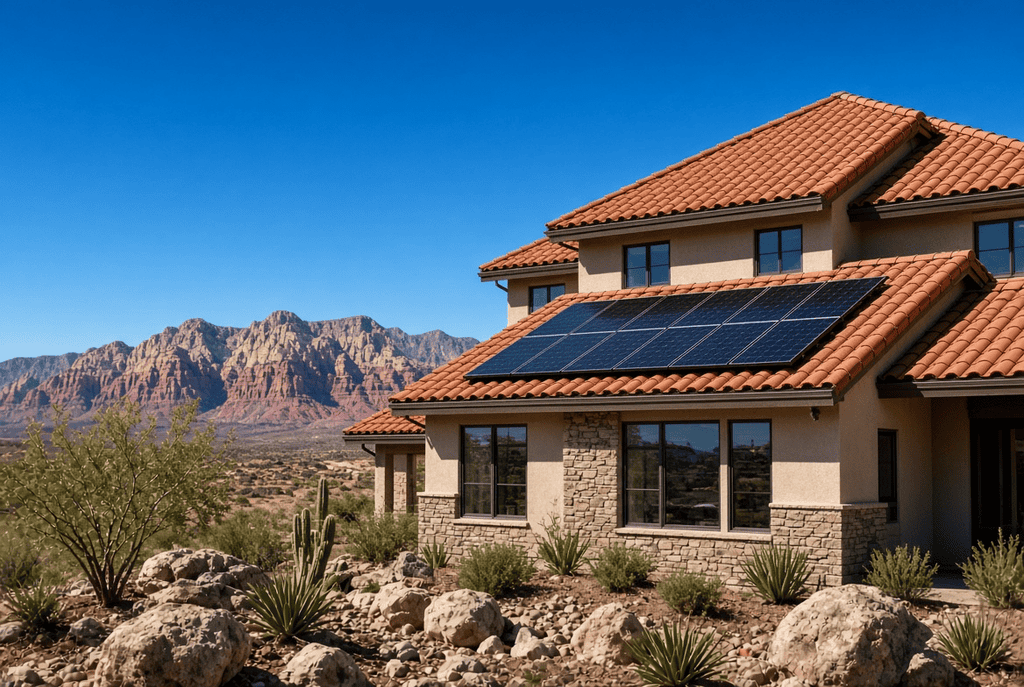
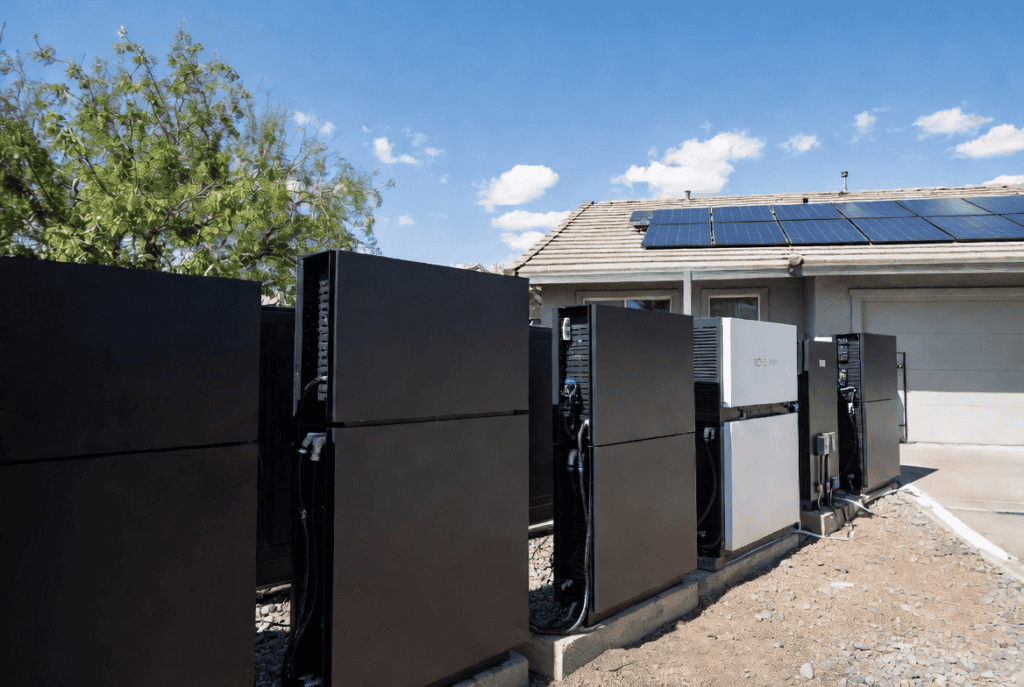
Think of your solar panels like a power plant that produces DC electricity, but since your home and the local grid actually run on AC, you need a middleman. That’s where the inverter comes in—it’s the “brain” that bridges the gap, converts that power, and keeps everything running smoothly.
Here in Las Vegas, that brain takes a serious beating. With our roofs regularly cooking at 150°F and the constant grit from our dust storms, a budget-grade inverter is just asking for trouble. Picking the wrong one doesn’t just put your system at risk of failing when you need it most; it can easily slash your power output by 10% to 20% during the summer months when you’re trying to keep the AC running.
Not all inverters are built for the Nevada desert. For 2026, the top-tier options that have earned their keep are the Enphase IQ8 microinverter, the SolarEdge HD-Wave with optimizers, and Tesla’s integrated inverter. To help you make the right choice and identify the best solar inverters for Las Vegas in 2026, I’ve broken down how these three stack up against each other. This isn’t marketing-speak; it’s a comparison based on actual 2026 field data and real-world performance from homeowners who deal with the same brutal heat we do.
Why Inverter Choice Matters in Las Vegas Heat & Dust (2026 Reality)
Vegas is one of the best places in the country to go solar because of our intense sun, but there’s a catch: the extreme heat here actually messes with your panels, causing voltage drops and efficiency losses. On top of that, you’re constantly fighting dust buildup that blocks the light, not to mention the occasional shade from a chimney or a palm tree, which can kill the power output of your entire system if you’re using older, basic hardware.
Net metering here in Southern Nevada has changed. Under the current NMR-405 rules, you’re penalized if you lean on the grid during peak evening hours. If you want to keep your bill low, you need an inverter that can actually handle the job. A good one will maximize your self-consumption—meaning you’re using your own sun-powered energy instead of buying it back from the utility—and it makes pairing your system with a battery a breeze. Plus, it covers your bases for safety with built-in rapid shutdown compliance required by the state.
The three main architectures in 2026:
- Microinverters (Enphase): One small inverter per panel.
- String inverter + optimizers (SolarEdge): Central inverter with per-panel optimizers.
- Integrated/hybrid (Tesla): Often part of an all-in-one solar + storage system.
Key Specs That Matter for Nevada Desert Conditions
When you’re picking out solar inverters for a roof here in Las Vegas, these are the key things you need to pay attention to:
- Efficiency: You want high numbers here. Look for 97% or better—it means your system is doing a great job at turning sunlight into actual, usable power for your home.
- Heat Tolerance: Vegas heat is no joke. Rooftop temperatures can easily climb to 150°F (or 65–75°C), so you need hardware that won’t lose its “cool” and drop in performance when the thermometer spikes.
- Shade & Dust Defense: Between the desert dust and the occasional shadow from a vent or tree, your panels take a beating. Look for “per-panel optimization”—it keeps one dusty or shaded spot from dragging down the production of your entire roof.
- Warranty & Reliability: You’re in this for the long haul. Look for 12- to 25-year warranties and brands known for not failing, because replacing parts in our harsh climate is the last thing you want to do.
- Monitoring & Tech: You’ll want an app that shows you exactly what each panel is doing in real-time. It’s also a huge plus if the system is designed to “talk” to a battery if you decide to add one later.
- Safety & Grid Rules: This isn’t optional—your setup has to meet NV Energy’s strict safety standards, including a “rapid shutdown” feature that lets firefighters safely handle emergencies if they ever need to get on your roof.
For more details on solar inverters, explore our 2026 guide on the SolarEdge inverter review.
Head-to-Head Showdown: Enphase, SolarEdge, and Tesla Inverters

Here’s the 2026 comparison tailored for desert performance.
Enphase IQ8 Series (e.g., IQ8HC) — Best for Complex Roofs & Reliability
- Type: Microinverters (per panel)
- Efficiency: ~97.3–97.5%
- Warranty: 25 years standard
- Shade/Dust: Excellent — each panel operates independently
- Heat Performance: Strong; minimal derating thanks to distributed design
- Monitoring: Best-in-class panel-level app
There is a solid reason why Enphase is the go-to choice for so many homes in 2026: they’ve designed their systems to avoid that “all or nothing” problem. With their microinverter setup, every panel works independently, so if one happens to have a glitch, the rest of your roof keeps right on producing power.
SolarEdge HD-Wave with Power Optimizers — Best Value & Efficiency Balance
- Type: String inverter + per-panel optimizers
- Efficiency: Up to 99% (inverter level)
- Warranty: 12 years standard (extendable to 25)
- Shade/Dust: Very good via optimizers
- Heat Performance: Solid, but central inverter can run hotter
- Monitoring: Excellent panel-level data
SolarEdge is a favorite among local Nevada installers, especially for straightforward, easy-to-access roofs. It’s a popular choice because it gives you high-end efficiency without the higher upfront price tag you’d see with some other systems.
Tesla Solar Inverter (Integrated with Powerwall 3) — Best for All-in-One Simplicity
- Type: Hybrid string-style with integrated battery support
- Efficiency: ~97.5%
- Warranty: 12.5 years (tied to ecosystem)
- Shade/Dust: Moderate (no per-panel optimization unless using optimizers)
- Heat Performance: Good when paired with Powerwall’s thermal management
- Monitoring: Strong app, but less granular than competitors without add-ons
If you’re planning to go all-in with both solar panels and a home battery, Tesla is a really strong contender. The Powerwall 3 comes with a built-in, high-powered inverter, which makes your entire setup much cleaner and simpler since you have less hardware to worry about.
Detailed Breakdown: Pros, Cons & Real Desert Performance
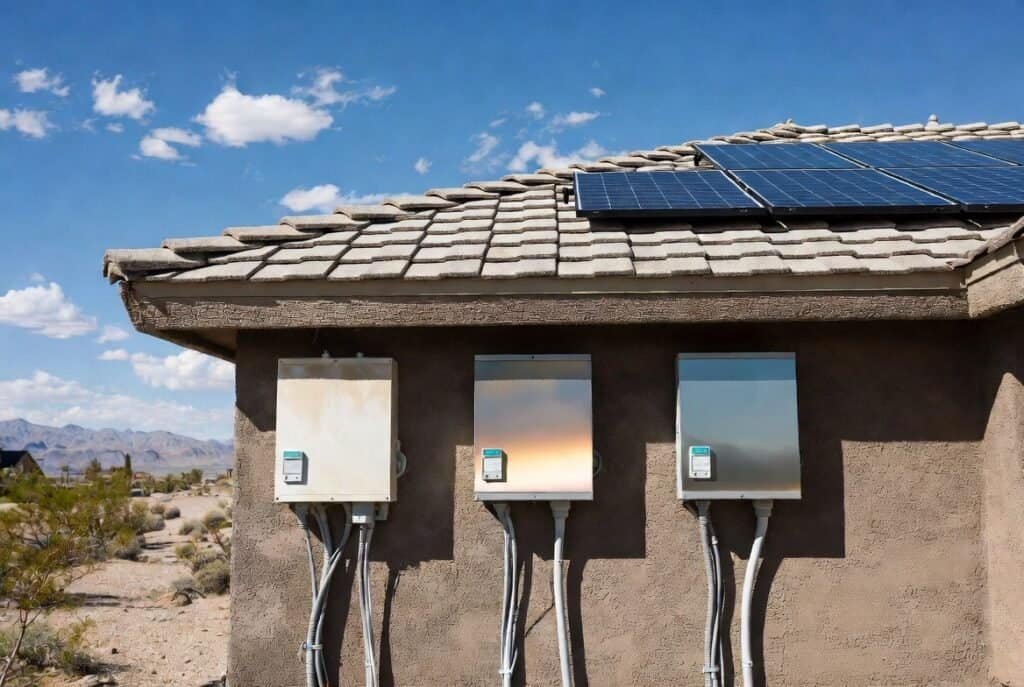
For complex roofs in Las Vegas, the Enphase IQ8 is the top performer. Its ‘per-panel’ design means you aren’t losing total system output just because one panel gets dusty or shaded—a common headache here. They’re built to last, boasting a tiny 0.05% annual failure rate and a 25-year warranty that really matters in our 115° summers. The only real downside is the price: you’ll be looking at a higher upfront cost compared to traditional string systems, usually around $0.50–$0.70/W more.
For many homes in North Las Vegas with straightforward roofs, SolarEdge hits a real sweet spot. Their optimizer tech does a solid job of handling our typical shade and dust issues, and the high efficiency of the inverter really helps squeeze out those extra kilowatt-hours. While there have been some past concerns about reliability with central inverters, the newer HD-Wave models are a significant step up. Plus, if you ever do need a replacement after the warranty is up, it’s a lot easier and cheaper to swap out a wall-mounted unit than it is to have someone climbing around on your roof to mess with microinverters. You also get a great monitoring app, which makes it easy to spot if dust or debris is hurting your production so you can clean it off quickly.
If you’re planning to go all-in on a home battery system, Tesla is honestly the simplest way to do it. The Powerwall 3 comes with a powerful, built-in inverter that’s designed to handle heavy household loads, and because everything is built by the same company, it all just works together seamlessly. It’s a solid performer in the desert, though keep in mind that it doesn’t give you that same “per-panel” visibility and control you get with other systems unless you add extra components. It’s really the best fit if your main goal is having reliable battery backup from day one.
When we look at actual performance on Las Vegas roofs, there’s a bit of a trade-off: Enphase usually comes out on top for total yearly output if your roof has any trouble spots like shade or dust buildup. However, if your roof is clean and faces south, SolarEdge and Tesla both offer excellent performance and give you a lot more value for your money.
Integration with Solar Panels & Batteries in Nevada
Picking the right inverter is a big decision, because it sets the tone for how your entire solar system is going to perform.
- Enphase: If you go with their microinverters, pairing them with the Enphase IQ Battery is the way to go. It makes adding storage really straightforward since they’re designed to work together right out of the box.
- SolarEdge: This system shines when you pair it with their own Energy Bank. Because it’s a DC-coupled setup, you get a really efficient transfer of power between the panels and the battery.
- Tesla: This is the ultimate “all-in-one” option. The Powerwall 3 comes with the inverter and battery built into a single unit, which simplifies the whole permitting process and can actually help keep your total costs down with NV Energy.
The good news is that all three of these systems are fully up to code, so you’ll have no trouble passing the safety inspections required by NV Energy and getting everything connected to the grid.
Cost, Incentives & Payback for North Las Vegas Homes
When you’re weighing your options, here’s a quick breakdown of how these systems typically stack up:
- Enphase: You’ll pay a bit more upfront, but it’s a solid investment for the long haul. The reliability, great warranty, and consistent energy production really help it pay off over time.
- SolarEdge: This is often the most budget-friendly way to start. It’s usually about 10–15% cheaper than a comparable Enphase setup, making it a great choice if you’re looking to keep your initial costs down.
- Tesla: If you’re planning on adding a Powerwall anyway, Tesla is very competitive. Bundling it all together often makes it the most affordable all-in-one option on the market.
The Bottom Line: Thanks to the 30% federal tax credit (which is still a huge factor in 2026) and Nevada’s tax exemptions, a well-planned system here in sunny Las Vegas usually pays for itself in about 5 to 8 years. By picking an efficient inverter, you’re not just making power—you’re smarter about how you use it, which helps you beat those tricky NV Energy demand charges and time-of-use rates.
How to Choose the Right Inverter for Your Roof
Not sure which system is the right fit for your home? Here is a simple breakdown to help you decide:
- If your roof is complex or gets a lot of shade: Go with the Enphase IQ8. It’s the most resilient option because it keeps your panels working independently, so one shadow won’t drag down your whole system.
- If you have a simple roof and want the best “bang for your buck”: The SolarEdge HD-Wave is a great choice. It’s highly efficient and usually hits that “sweet spot” for value.
- If you know you want battery backup from day one: Choose Tesla. Their Powerwall 3 uses an integrated inverter that makes the whole setup much cleaner and simpler.
- If you’re on a budget but want to add a battery later: Both SolarEdge and Tesla are perfect for that. You can get your solar panels up and running now and easily add storage to your system down the road.
Pro tip: Always get at least three quotes from licensed installers here in Nevada, and use a site like EnergySage to compare them. They’ll run a custom model of your exact roof, taking into account the angle of your panels, the shade you get throughout the day, and all those specific NV Energy requirements.
Final Recommendation + Next Steps
If you’re a homeowner in North Las Vegas looking into solar in 2026, here’s how the top options generally break down:
- Enphase IQ8 (The All-Rounder): This is the go-to choice for most people. It’s incredibly reliable in our desert heat, and it handles shade and dust better than anything else. Plus, that long warranty gives you real peace of mind.
- SolarEdge (The Value Pick): If you have a straightforward roof or you’re trying to keep the initial cost down, this is a fantastic option. You get high-end performance without the higher price tag.
- Tesla (The Battery Specialist): If your main goal is to go all-in with a home battery system, Tesla is the way to go. It’s designed to work as one integrated package, making it the simplest solution if you want backup power from day one.
Ready to lock in more savings from your solar panels? Click the button below to compare hassle-free quotes from pre-vetted Las Vegas pros. See exactly what your options look like with top tech like Tesla, Enphase, and SolarEdge—minus the sales pressure.
A quick heads-up: Some of the links in this post are affiliate links, which means I might earn a small commission if you decide to buy, at absolutely no extra cost to you. That said, I only recommend what works—all of these picks are backed by independent testing data.